Thinking about a move to Yorktown Heights, NY? If you want more space, a quieter pace, and an easy rhythm for family life, this hamlet in northern Westchester often sits on the short list. You get a small‑town feel with practical access to county amenities, parks, and job centers across the metro area. In this guide, you will learn what day‑to‑day life looks like, how the neighborhoods and homes feel, what the commute involves, and the pros and considerations to weigh. Let’s dive in.
Yorktown Heights at a glance
Yorktown Heights is the central hamlet within the Town of Yorktown in northern Westchester County. It functions as a bridge between more built‑up southern Westchester and the more rural communities to the north. That middle position shapes your lifestyle choices, especially if you want yard space without giving up Westchester conveniences.
Expect a suburban, small‑town atmosphere. The village center has local shops and restaurants, with residential streets branching out to established neighborhoods. Daily life is community‑oriented, with schedules built around schools, youth sports, town recreation, and seasonal events.
For many buyers, the appeal is simple. You can find single‑family homes with larger lots than you see closer to New York City, plus proximity to regional parks and trails. At the same time, you still tap into Westchester’s services, healthcare, and employment options.
Neighborhoods and housing
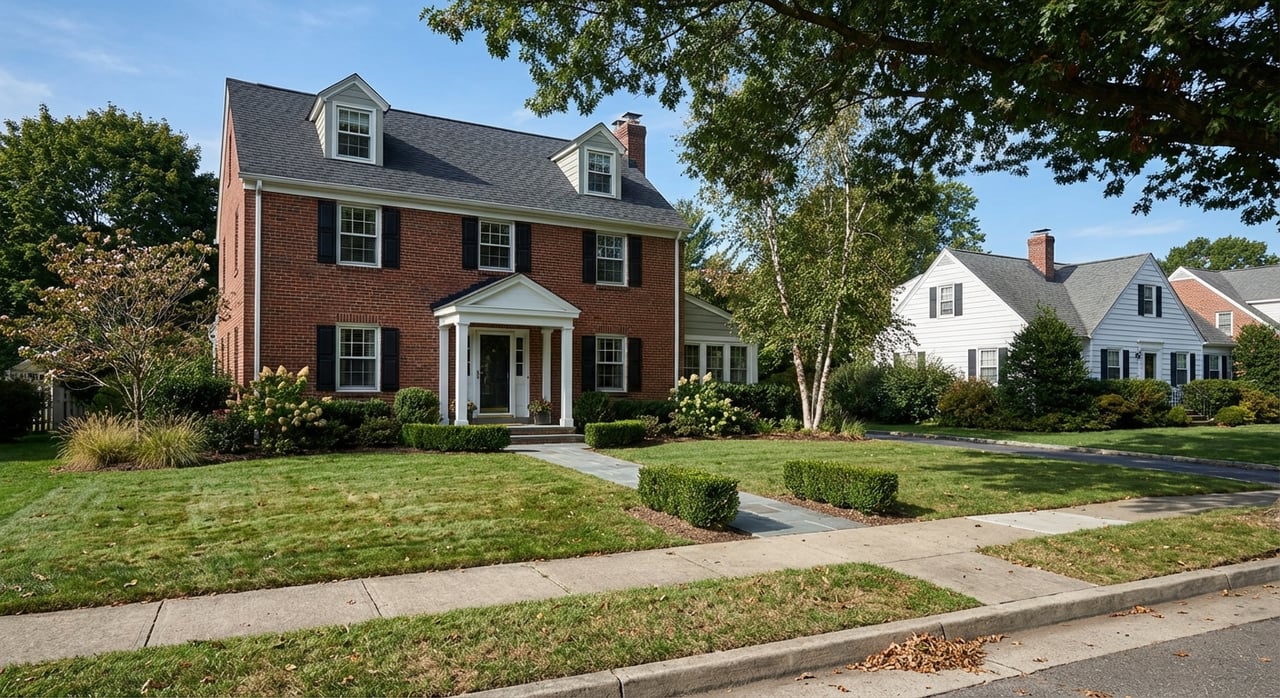
Housing in Yorktown Heights leans heavily toward single‑family homes. You will see Colonial‑style houses, mid‑century ranches and split‑levels, Cape Cods, and some 20th‑century Tudors and contemporaries. Newer subdivisions exist in spots, though most areas feel established and residential.
Home styles you will see
- Colonial, Cape, ranch, and split‑level homes across tree‑lined streets.
- Some older homes on larger lots near wooded edges and town borders.
- Limited multi‑family options compared with more urban Westchester towns.
Where people live
- Village center: a small commercial core with shops, services, and dining. Walkability is moderate within the center.
- Suburban pockets: neighborhoods with sidewalks, parks nearby, and a family‑friendly street pattern.
- Wooded edges: quieter areas with larger lots and a more private feel.
Renovation and value drivers
Many homes date to the mid‑20th century. It is common to find updated kitchens and baths, additions, or homes that are ready for your modernization plan. Condition, lot size, proximity to schools, and access to main roads all influence pricing.
If you are budgeting, understand how these factors shift value:
- Renovated, move‑in ready homes often sell faster and at a premium.
- Similar homes needing updates can trade at a discount, which appeals to buyers planning projects.
- The closer you are to schools, town services, and commute routes, the more impact on price.
Schools and family life
Families often organize their days around school calendars, youth sports, and recreation programs. The hamlet is served by local public school district or districts that operate elementary, middle, and high schools. Private, parochial, and early‑childhood options are available within commuting distance across Westchester County.
Public, private, early childhood
When you evaluate schools, use neutral, official sources. You can review New York State Education Department report cards, school district websites, and local parent groups to understand programs, graduation data, class offerings, and student‑teacher ratios. Because performance metrics and offerings can change, check the most recent school year before you decide on a neighborhood.
Activities and community programs
Town recreation and community groups offer the staples: youth sports like soccer, baseball, and lacrosse, scouting, community theater, and enrichment classes. The public library hosts children’s programs and homework help, while community centers support both youth and adult activities. Seasonal events and school performances add to the small‑town rhythm.
Health and senior services
You will find primary care and urgent care clinics in and near Yorktown Heights. Hospitals and specialty care are located in nearby Westchester centers, which are a short drive away. Senior services are available through town departments that coordinate programs, transportation, and activities.
Getting around and commuting
Yorktown Heights is primarily car‑oriented. Most residents drive for school drop‑offs, groceries, and appointments. That said, you can combine driving with regional transit for work commutes.
Daily driving basics
Local and regional highways provide access south toward larger Westchester employment hubs and into the broader NYC metro area. Travel times vary widely with traffic and route choice, so plan your commute window accordingly and use real‑time tools to set expectations.
Trains and park and ride
Public transit is available but more limited than in southern Westchester. Many commuters drive to nearby Metro‑North stations or use park‑and‑ride lots, then take the train into employment centers. Some regional commuter bus services operate along key corridors as well. Your door‑to‑door time depends on where you start, the station you use, parking, and train schedules.
Commuting tradeoffs
This is the core tradeoff many buyers consider: you gain space and quieter streets compared with areas closer to the city, but you may add time to a daily Manhattan commute. If you work elsewhere in Westchester or the northern suburbs, your drive might be more straightforward. Test your route at the hours you care about most.
Parks and outdoor life
If you enjoy the outdoors, Yorktown Heights puts you close to parks, athletic fields, and greenways. Residents use town parks for playground time, practices, games, and everyday exercise. Beyond town facilities, you are near reservoirs, state parks, regional trails, and Hudson Valley destinations where you can hike, bike, fish, ski in season, or visit farms and wineries.
Weekend plans are easy to fill. Many families spend Saturdays at youth sports and afternoons on local trails. Others head to nearby state parks or riverfront spots for fresh air and views.
Shopping, dining, services
Everyday errands are simple. The commercial core covers groceries, pharmacies, cafés, and a range of independent restaurants and services. If you need big‑box shopping or specialty stores, you have several options a short drive away across Westchester.
Healthcare access is practical. You can visit urgent care or primary care clinics locally, then tap into hospitals and specialists in nearby centers when needed. Community life revolves around seasonal events, farmers markets, school concerts, and regional cultural offerings in neighboring towns and in White Plains.
Market snapshot and tips
In broad strokes, Yorktown Heights is often more affordable than many southern Westchester communities, while remaining more expensive than upstate or rural markets. Buyers are typically trading for larger lot sizes and a suburban feel within driving distance of Westchester job centers and the NYC metro area. Because conditions change, look to current MLS data for median prices, inventory, and days on market.
Who this market fits
- Families seeking more space, yards, and a community rhythm built around schools and recreation.
- Professionals who work locally or who are comfortable with a drive to trains or regional employment centers.
- First‑time buyers who value a practical entry point to Westchester with a mix of move‑in ready and renovation opportunities.
What moves fastest
Homes that are renovated, near schools, and close to everyday amenities often draw more attention. Properties that need updates can take longer but attract buyers who want to add value through projects. Newer or well‑maintained homes in established neighborhoods are consistent performers.
How to watch the market
- Track current inventory, new listings, and median days on market using MLS‑based reports.
- Compare renovated homes to similar unrenovated ones to understand price spreads.
- Note micro‑location effects, such as proximity to main roads and school attendance zones.
Pros and considerations
Every town has tradeoffs. Here is a balanced view to help you decide if Yorktown Heights matches your priorities.
Pros
- Larger lot sizes and yard space than many towns closer to NYC.
- Quiet, suburban feel with a small‑town center and community events.
- Access to regional parks, trails, and weekend Hudson Valley destinations.
Considerations
- Car dependence for most errands and activities.
- Public transit options are more limited compared with southern Westchester.
- Depending on your destination, commutes to Manhattan can be longer.
Is it a fit for you
If you want room to grow, a steady suburban pace, and easy access to Westchester amenities, Yorktown Heights is worth a close look. You can choose between move‑in ready homes and properties with renovation potential, then shape your commute around driving, trains, or a hybrid approach. Take time to drive neighborhoods at different hours, visit parks, and sample local shops to confirm the feel.
When you are ready to compare neighborhoods and refine your budget, connect with a local advisor who combines data, process, and on‑the‑ground experience. For a clear plan from search through closing, reach out to Jenny Colon for buyer representation, listing strategy, or to get started with Request Your Free Home Valuation.
FAQs
How long is the commute to Manhattan from Yorktown Heights
- It varies by route and time of day. Many residents drive to a nearby Metro‑North station or a park‑and‑ride, then take the train. Your door‑to‑door time depends on parking, schedules, and traffic.
What home styles are common in Yorktown Heights
- You will see Colonial, Cape Cod, ranch, split‑level, and some Tudor or contemporary homes. Many date to the mid‑20th century, with a mix of renovated and update‑ready options.
How walkable is the village center
- The commercial core is moderately walkable for errands and dining. Most residential areas still require a car for groceries, appointments, and regular commuting.
How do families research schools in Yorktown Heights
- Review New York State Education Department report cards and district websites, then supplement with local PTO or parent groups. Check the latest year since programs and metrics change over time.
What drives home prices in Yorktown Heights
- Lot size, condition and updates, proximity to schools, and access to main roads all influence value. Renovated homes near amenities often sell faster and at a premium.
What parks and outdoor options are nearby Yorktown Heights
- Town parks, athletic fields, and regional trails are close by. You are also within driving distance of reservoirs, state parks, and Hudson Valley weekend destinations.